
For this portfolio deep dive, I chose this project because it has measurable impact and shows me as a cross-functional team player.
.gif)
In a world where convenience is key, many individuals struggle to maintain a consistent fitness routine due to time constraints and lack of access to diverse workout options. Traditional gyms can be intimidating and inflexible, while online resources often lack structure. The Qon Fitness App addresses these challenges by offering a comprehensive solution that combines flexibility, variety, and expert guidance.
As the researcher, I conducted user interviews and also sent out questionnaires to identify the needs and preferences of potential users. Key findings revealed a strong demand for:
- Individual between ages of 18-45
- Individual must have a mobile device
- Individual must want to improve their health.
- Time and Schedule : Time was one of the reasons why the interviewers always missed their workouts.
- Features and Content: Individuals valued more coaching videos than tutorials.
- Workout preferences : Individuals from the questionnaire preferred home workouts cause they don't have the time to leave their homes.
- Guidance and coaching : Individuals from the interview wanted expert guidance and coaching in their fitness journey.
- Motivation: This had the most points from my interviews and questionnaire. While most of the Individuals I interacted with do forget to workout, they recounted times when they remembered but just decided not to go because they felt demotivated, especially when they look healthy or feel fit
Here's a link to some questions from the interview and questionnaire I used during my research.
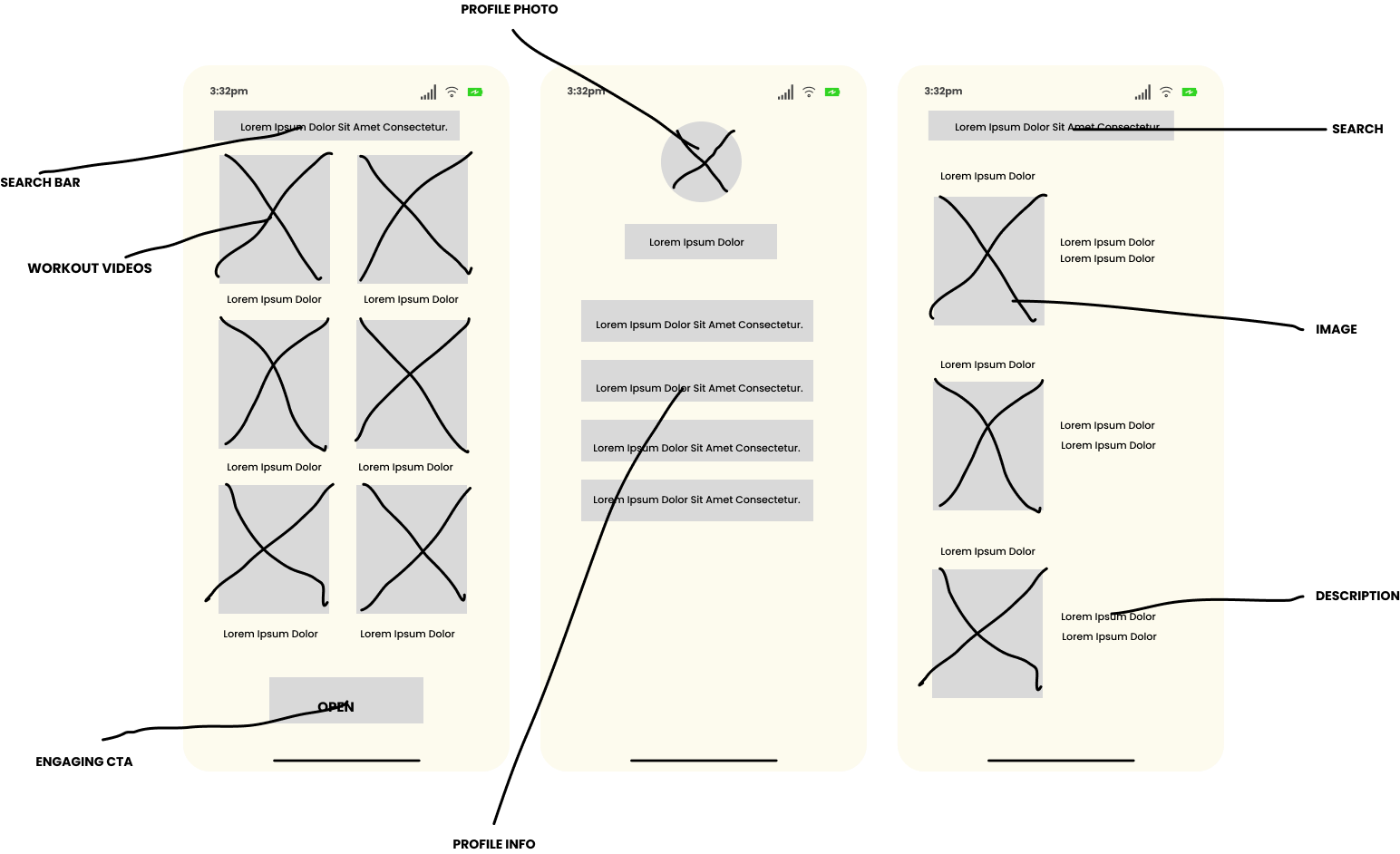
I developed initial wireframes to outline the app’s structure, focusing on user flow from onboarding to workout selection. This phase emphasized clarity and simplicity, ensuring users could navigate the app effortlessly.
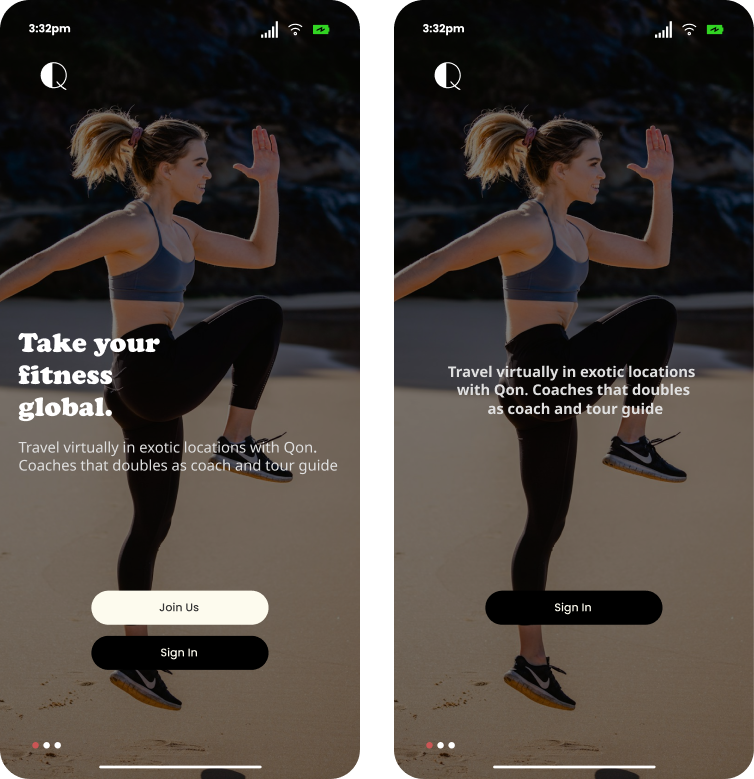
To validate my design choices, I conducted usability testing with a group of target users. Feedback highlighted the importance of intuitive navigation and clear categorization of workouts. A total of 6 participants were involved in completing 2 sets of A/B Tests. The purpose of these tests was to evaluate the users' response to the design of the app. The insights gathered from the test responses played a crucial role in determining the necessary modifications to be made in our final design. results from this showed users like app that are clean, easy to read.
Based on this input, I refined the design to enhance the overall user experience.
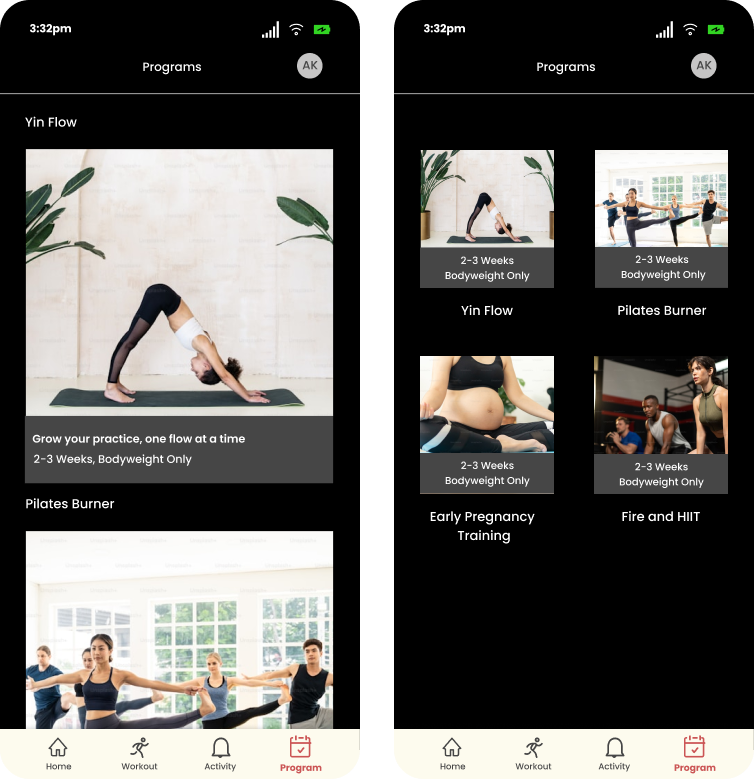
Our participants chose design A (Left) because it has more in the description and the image is bigger and clearer.
Our participants chose design A (Left) because it has a heading and more options to onboard.

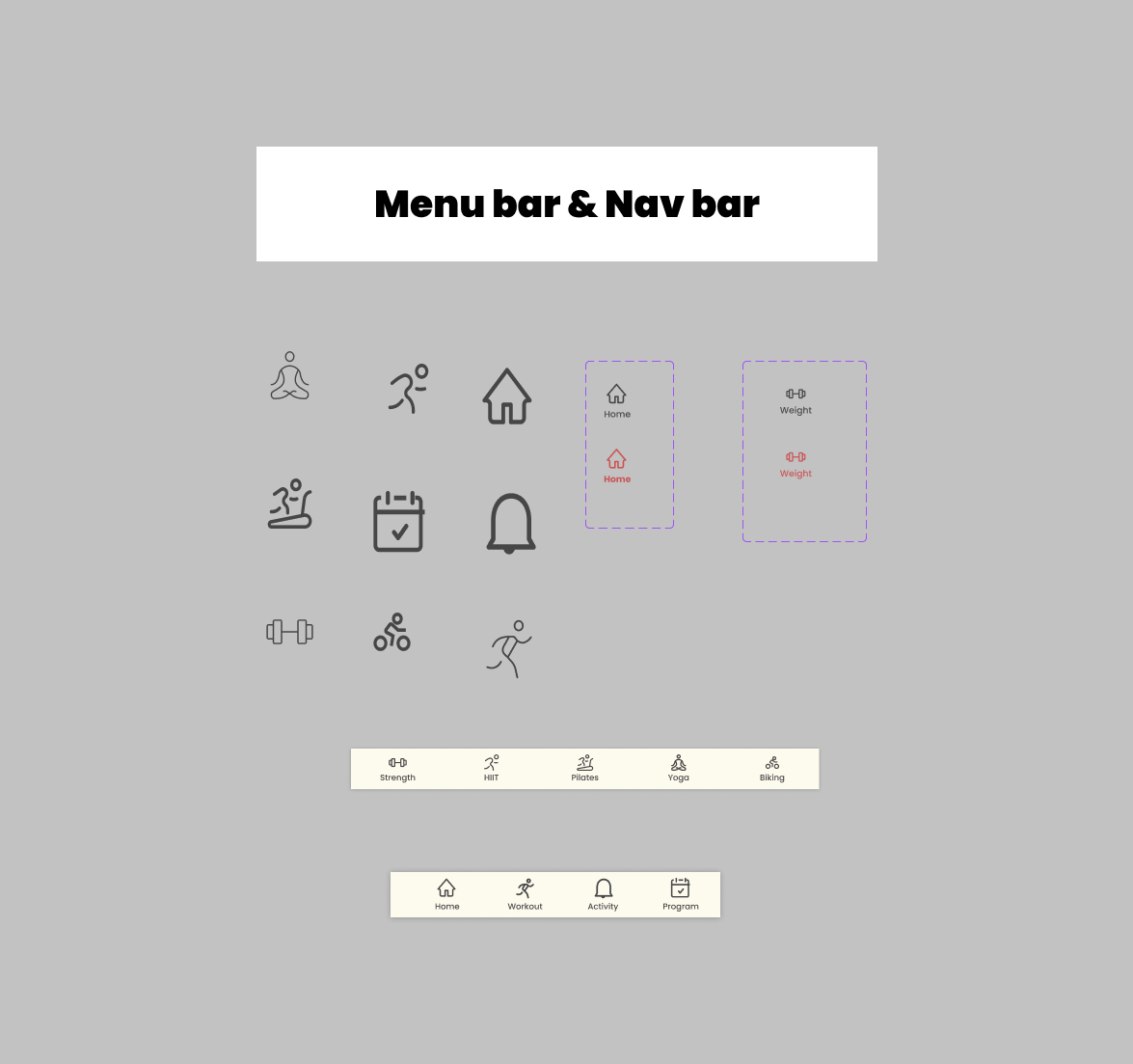
Home screens: Features personalized workout recommendations, quick access to user profiles, and highlighted workouts.

Users can filter workouts by type (e.g., HIIT, Pilates) to find suitable options and you can save you favorites.
.gif)
Personalized Recommendations: Based on user input (e.g., fitness goals, workout frequency), the app suggests tailored workout programs.

Workout Tracking: Users can log their workouts and track progress over time, fostering a sense of achievement.

Onboarding Screens: Users enter their details, preferences, and fitness goals to personalize their experience.
The design process for the Qon Fitness App highlighted the importance of user feedback and iterative design. By focusing on personalization and accessibility, Qon aims to empower users to take control of their fitness journeys. Future enhancements may include live coaching sessions and community features to foster user engagement.
View prototype HERE.